
Edema and lymphedema are both conditions that involve swelling, but they stem from different causes and have distinct characteristics. Recognizing these differences is essential for accurate diagnosis and proper treatment.
What Is Edema?
Edema refers to swelling caused by excess fluid trapped in your body’s tissues. It’s typically due to fluid accumulation in the interstitial spaces—the areas between cells.
Types and Causes of Edema:
- Peripheral edema: Often affects legs, ankles, and feet. Common causes include prolonged standing, pregnancy, or high sodium intake.
- Pulmonary edema: Fluid in the lungs, usually caused by heart problems.
- Generalized edema (anasarca): Widespread swelling often linked to liver or kidney disease.
Underlying causes can include:
- Heart failure
- Chronic kidney disease
- Liver cirrhosis
- Hormonal changes (e.g., Pregnancy)
- Medications (e.g., steroids, antihypertensives)
- Venous insufficiency
Signs of edema:
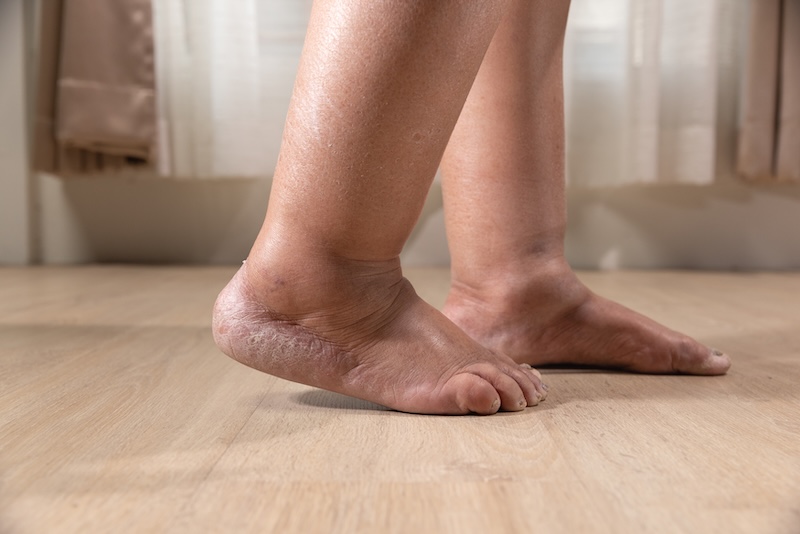
Swollen, “puffy” appearance in affected areas
- Skin looks stretched or shiny
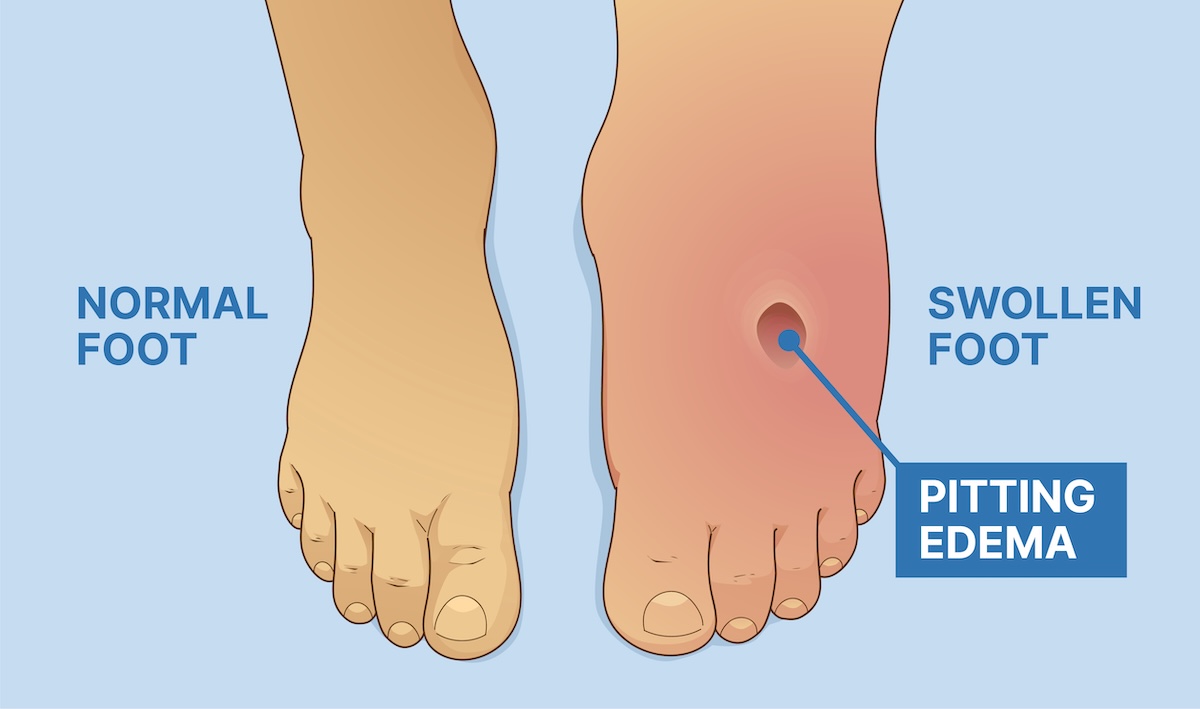
- Pressing gently leaves a small pit (pitting edema)
- Often symmetrical (e.g., both legs)
What Is Lymphedema?
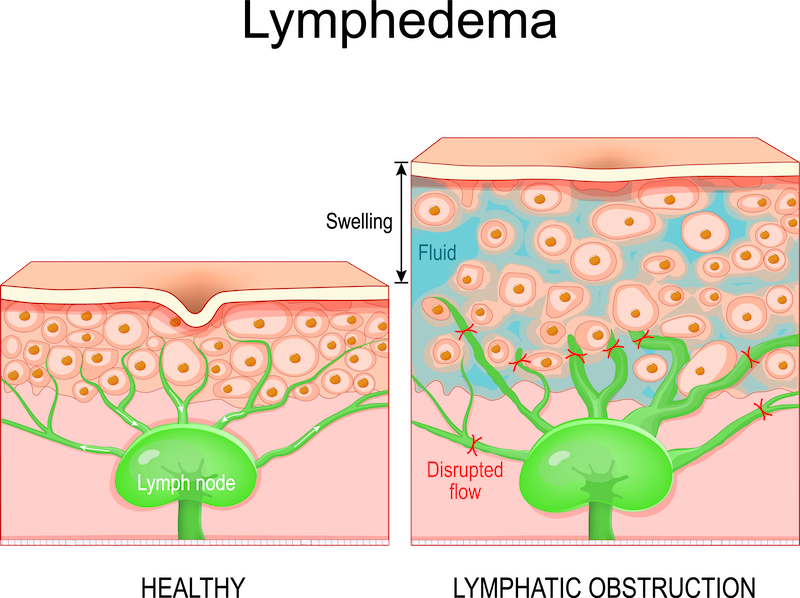
Lymphedema is swelling caused by a compromised lymphatic system. This system transports lymph—a fluid rich in proteins and immune cells—through lymph vessels and nodes. When this system is blocked or damaged, lymph builds up, leading to swelling.
Types and Causes of Lymphedema:
- Primary lymphedema: A rare, inherited condition from birth—symptoms often emerge during infancy, puberty, or adulthood.
- Secondary lymphedema: More common—results from damage to lymph vessels caused by:
- Cancer treatments (e.g., lymph node removal or radiation)
- Infections (e.g., filariasis)
- Injury or surgery
- Venous disease
Characteristics of lymphedema:
- Swelling often begins in one limb
- Skin feels dense or tight
- Usually non-pitting in early stages
- Skin may thicken, become fibrotic, or show changes like papillomatosis
Key Differences: Edema vs. Lymphedema
Feature
Edema
Lymphedema
Fluid Type
Primarily fluid and salt
Lymph (protein-rich fluid)
Pitting
Often present
Typically non-pitting (especially early)
Symmetry
Commonly symmetrical
Often asymmetrical (one limb)
Texture
Soft, spongy
Firm, fibrotic
Skin Appearance
Shiny, stretched
Thickened, possible papillomatosis
Common Causes
Heart, kidney, liver issues; pregnancy
Lymphatic system damage or congenital issue
Management Approach
Diuretics, salt reduction, elevation
Specialized therapy targeting lymph system
Diagnosis: How Are They Distinguished?
Diagnosing Edema:
- Medical history & physical exam: Focus on underlying conditions (heart, kidneys, liver)
- Blood tests: Kidney function (creatinine, BUN), liver enzymes, electrolytes, thyroid
- Imaging: Chest X-ray or ultrasound if indicated
Response to treatment: Diuretics often provide relief; edema may reduce with management of underlying issue
Diagnosing Lymphedema:
History & physical exam: Appearance of swelling following lymph node surgery, radiation, or infection
Imaging tests:
Lymphoscintigraphy: Traces lymph flow.
Doppler ultrasound: Rules out blood clots or venous insufficiency.
MRI or MRI lymphangiography: Offers detailed visualization.
Measurement of limb volume or circumference over time to track progression.
Treatment Options: Edema
Management focuses on reducing fluid buildup and treating the root cause:
Lifestyle Changes & Self-Care:
Reducing salt intake
Staying active—walking, gentle movement
Elevating limbs
Compression stockings or sleeves
Medications:
Diuretics (water pills) to promote fluid excretion
Treating underlying issues—e.g., antihypertensives for high blood pressure, heart failure meds
Addressing Underlying Conditions:
Managing heart, kidney, or liver disorders
Monitoring thyroid and other hormonal imbalances
Supportive Measures:
Massage to stimulate circulation
Gentle stretching and mobility work
Treatment Options: Lymphedema
Unlike general edema, lymphedema requires targeted, specialized care:
1. Complete Decongestive Therapy (CDT)
CDT is the gold standard for lymphedema treatment. It’s a comprehensive approach typically delivered by trained therapists. It consists of two phases:
Phase 1: Intensive Phase
Manual Lymph Drainage (MLD): Gentle, rhythmic massage to redirect lymph fluid from congested areas to healthy lymph nodes.
Compression Bandaging: Applying multilayer, short-stretch bandages to promote lymph movement and prevent fluid re-accumulation.
Exercise: Guided, low-impact movements (like gentle stretching or walking) to help maintain and improve lymph flow.
Skin and Nail Care: Hygiene to prevent infections like cellulitis.
Phase 2: Maintenance Phase
Compression Garments: Customized sleeves or stockings worn daily to maintain results achieved in Phase 1.
Ongoing MLD or self-massage: Patients learn basic techniques to self-manage.
Continued exercise and skin care: Life-long habits to prevent recurrence and progression.
2. Surgical Interventions
Reserved for specific cases:
Lymphovenous bypass or lymphaticovenous anastomosis (LVA): Microsurgical procedures connecting lymphatic vessels to veins.
Vascularized lymph node transfer (VLNT): Transplanting healthy lymph nodes to affected areas.
Liposuction: Removes fatty deposits in advanced, fibrotic lymphedema—usually paired with compression afterward.
3. Adjunct Therapies
Pneumatic Compression Devices (PCDs): Arm or leg sleeves inflate sequentially to push fluid out.
Low-Level Laser Therapy / Low-Intensity Ultrasound: Some promising evidence; used in combo with standard care.
Kinesio Taping: Specialized tape applied to support lymph flow and swelling reduction.
Spotlight: Complete Decongestive Therapy (CDT)
Let’s explore CDT in depth, since it’s the most widely recommended, non-surgical treatment for lymphedema.
Why CDT Works
Multifaceted approach: Unlike singular treatments, CDT addresses fluid removal, prevention of buildup, muscle facilitation, and skin health simultaneously.
Manual Lymph Drainage (MLD): Redirects lymph to functioning vessels and nodes; encourages alternate drainage routes.
Compression Bandaging: Short-stretch bandages apply low resting pressure, high working pressure, aiding lymph movement during activity.
Exercise: Muscle contractions naturally pump lymph fluid; consistency helps maintain flow.
Self-care and Education: Empowers patients with the tools they need to manage lymphedema long-term.
Structure of CDT
Frequency: Intensive phase often requires daily sessions (e.g., 3–5 days a week for several weeks), depending on severity.
Practitioner-guided: Usually administered by a qualified lymphedema therapist, such as a physical or occupational therapist with training.
Patient involvement: Patients are taught self-MLD techniques, bandage care, skin checks, and exercise routines.
Effectiveness and Evidence
Consistently shown to reduce swelling and improve quality of life.
Early intervention with CDT may slow or halt progression to more severe, fibrotic stages.
Combined with compression garment adherence, CDT helps maintain results.
When to See a Specialist
Edema:
Seek medical attention if swelling:
Is sudden and severe
Occurs with shortness of breath, chest pain, or rapid weight gain
Is painful or red—could indicate a blood clot or infection
Doesn’t improve with home interventions
Lymphedema:
Consult a lymphedema therapist or lymphologist if:
You have swelling after surgery or radiation, especially near lymph nodes
Swelling is persistent and doesn’t respond to typical edema treatments
Skin changes (thickening, texture change) appear
Early evaluation helps get individuals onto CDT or other therapies promptly, improving long-term outcomes.
Living with Edema or Lymphedema: Tips for Long-Term Management
Everyday Habits That Help
Gradual Movement
Walk mindfully
Incorporate gentle range-of-motion exercises (e.g., ankle pumps, shoulder rolls)
Nutrition & Hydration
Moderate sodium intake
Maintain healthy weight
Stay hydrated—adequate water supports lymph flow
Skin Protection
Moisturize to avoid cracks or infections
Check for bites, cuts, or signs of infection daily
Prompt treatment of any skin breaks
Use of Compression
Edema: Compression stockings can help
Lymphedema: Custom garments and bandaging per CDT recommendations
Self-MLD Practice (for lymphedema)
Gentle, daily strokes following taught patterns
Use as part of the maintenance phase
Monitor & Track Changes
Measure and document limb size weekly
Notice any “sets” in the skin (fibrosis) developing and act early
Stay Educated & Supported
Connect with lymphedema support groups or online forums
Keep appointments with therapists or medical providers for periodic reassessment
Summary and Takeaways
Edema is generalized swelling caused by fluid accumulation; often responds to lifestyle changes and diuretics.
Lymphedema is swelling caused by a lymphatic blockage or damage; requires targeted management to improve lymph flow and prevent progression.
Complete Decongestive Therapy (CDT) is the cornerstone of lymphedema treatment—combining manual lymph drainage, compression, exercise, skin care, and self-management into a structured, effective approach.
Early diagnosis and intervention offer the best outcomes. If swelling doesn’t resolve or has characteristic signs of lymphedema, seek a trained lymphedema therapist promptly.
Long-term self-care—compression, exercise, skin management—helps maintain gains and minimize recurrence.
Closing Thoughts
Both edema and lymphedema can have a significant impact on daily life—but understanding the difference empowers you to take action. If you’re managing either condition:
Start with proper diagnosis.
Use lifestyle interventions when available (in edema’s case).
For lymphedema, embrace the structured, evidence-based approach of CDI.
Stay diligent: treat swelling early, protect your skin, remain active, and follow through.
With informed, consistent care, both conditions can be effectively managed—and your comfort, mobility, and quality of life can substantially improve.